Disposal rules for garden waste SE1 Southwark gardeners guide
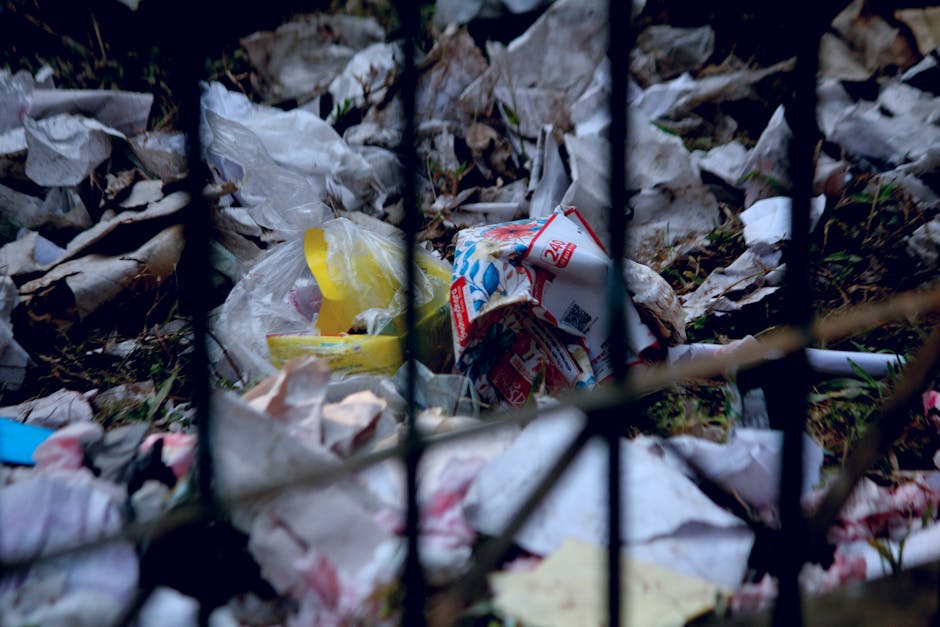
If you garden in SE1, the question is rarely whether you'll end up with garden waste. It's how quickly it builds up, where it can legally go, and how to avoid turning a tidy job into a messy one. The Disposal rules for garden waste SE1 Southwark gardeners guide below gives you a clear, practical way through the do's and don'ts, whether you're clearing a small courtyard, cutting back a hedge, or managing a larger maintenance visit. Let's face it, green waste looks harmless until bags start piling up by the gate.
This guide explains how garden waste is typically handled in Southwark, what usually counts as green waste, what should be separated, and the sensible steps gardeners can take to stay organised and compliant. You'll also find a checklist, a comparison table, and a real-world example so the whole thing feels usable, not theoretical.
Why Disposal rules for garden waste SE1 Southwark gardeners guide Matters
Garden waste is not just "bits from the garden". In practice, it can include grass cuttings, hedge trimmings, leaves, twigs, prunings, roots, soil attached to roots, and small amounts of soil or bark depending on the job. In a dense area like SE1, that matters because waste storage, collection timing, access routes, and contamination risks all become more noticeable. A bag left too long on a narrow street is one thing; a skipped disposal plan on a full-day clearance job is another.
There's also a practical side that many people underestimate. If green waste is mixed with general rubbish, rubble, plastic plant pots, or kitchen waste, the whole load can become harder to recycle and more expensive to deal with. For gardeners and property owners alike, good disposal habits save time, reduce complaints from neighbours, and help keep the job moving smoothly. That's especially useful when you're juggling a quick turnaround or planning regular garden maintenance visits.
In our experience, the people who run into trouble are usually not doing anything dramatic. They've just left waste separation to the end of the job, when the van is half full, the weather is turning, and everyone wants to go home. Truth be told, that's when mistakes happen.
How Disposal rules for garden waste SE1 Southwark gardeners guide Works
The simplest way to think about garden waste disposal is in three stages: separate, contain, and dispose through the right route. Garden waste should be kept distinct from non-organic waste wherever possible. Clean green material is usually the easiest to recycle or compost. Mixed loads need more sorting, and contaminated loads can be rejected or handled less efficiently.
For gardeners in SE1, the workable approach is usually this:
- Sort the waste at the point of generation.
- Keep green waste in durable bags, a trailer, a van, or designated piles.
- Remove any contamination such as plastics, ties, pots, soil clumps, or household rubbish.
- Choose a disposal route that fits the volume and type of material.
- Keep records or receipts where appropriate, especially for commercial jobs.
If you are handling a one-off clear-up, a proper garden clearance service can be the most straightforward option. For ongoing sites, a regular maintenance pattern often works better, because the waste never gets out of hand in the first place.
One useful distinction: garden waste is not the same thing as general household rubbish, and it is not the same as construction waste. Soil contaminated with rubble, bricks, or hard landscaping debris may need to be treated differently. That sounds obvious. It is, until you're standing there with a mixed pile and a deadline.
Key Benefits and Practical Advantages
Following sensible garden waste disposal rules is not just about avoiding problems. It makes the whole gardening process cleaner, faster, and more professional.
- Cleaner worksite: Less clutter means safer movement and fewer trip hazards.
- Better recycling potential: Clean green waste is far easier to compost or process.
- Lower contamination risk: Separating waste early stops the whole load from being downgraded.
- Less neighbour friction: Fewer smells, fewer piles, fewer complaints.
- More predictable costs: A sorted load is usually easier to quote and manage.
- Better client confidence: People notice when waste is handled neatly. They really do.
There's a quality-of-service angle too. A well-run garden visit often feels calmer because nobody is improvising at the end. You trim, rake, bag, remove. Nice and tidy. The sound of a mower stopping, the rake moving through damp leaves, the last bag tied off before you sweep the path-it all gives a better impression than trying to sort a mixed heap in the driveway.
For households and landlords, proper disposal can also support better long-term planning. If waste is removed correctly during each visit, then future jobs are quicker and easier. That matters for lawn mowing, hedge cuts, and seasonal tidy-ups alike.
Who This Is For and When It Makes Sense
This guide is for anyone dealing with garden waste in SE1, but a few groups will find it especially useful.
- Homeowners who need a clear way to dispose of prunings, leaves, grass cuttings, and small branches.
- Landlords and letting agents managing end-of-tenancy outdoor tidy-ups.
- Developers and property managers dealing with overgrown plots or communal spaces.
- Gardeners and landscapers who want a practical system for separating and removing waste.
- Busy residents who simply need a reliable answer without spending the afternoon reading policy pages.
It also makes sense if you are planning more than just a quick tidy. If the job involves reshaping beds, cutting back hedges, or removing shrubs, waste volumes can jump surprisingly fast. One hedge can fill a van before you've finished the second cup of tea. Not an exaggeration.
If the work is part of a broader redesign, it may be worth thinking about the disposal stage alongside the planting or layout stage. That is where landscape gardening and practical waste planning really go hand in hand.
Step-by-Step Guidance
Here is a straightforward process you can use for most garden waste jobs in SE1.
1. Identify the waste type before you start
Separate green waste from anything else at the beginning. Grass, leaves, small branches, hedge trimmings, and plant cuttings can usually go together if they are clean. Large timber, fencing, bricks, broken pots, soil-heavy turf, or contaminated material should be kept separate.
2. Remove contamination as you go
Take out plastic ties, plant labels, twine, old compost bags, and metal fixtures while the waste is still manageable. If you wait until the end, you'll end up with a sorting job no one wants. You know the feeling.
3. Choose the right container
Use heavy-duty bags, bins, a trailer, or designated piles depending on the site and volume. Do not overfill containers. Overstuffed bags split, spill, and make loading harder.
4. Keep access routes clear
In SE1, access can be the real challenge. Narrow side passages, shared entrances, stairs, or basement gardens can all affect how waste is moved. Keep paths free, and don't block frontages longer than necessary.
5. Decide whether waste is reusable, compostable, or disposable
Some waste can be composted on-site if the property has the space and the right set-up. Some can go for recycling or green waste collection. The rest may need specialist removal. If you are unsure, treat mixed loads cautiously rather than guessing.
6. Load and remove efficiently
Stack by weight and shape: light, bulky material first; denser waste closer to the base. This reduces collapse during transport and makes the load easier to secure.
7. Leave the site clean
Once the waste is gone, sweep paths, check corners, and make sure no loose cuttings remain. Small details matter. A clean finish says the job was properly managed.
Expert Tips for Better Results
A few habits make a big difference.
- Keep green waste dry where possible. Wet grass and leaves get heavier fast and can smell unpleasant if left too long.
- Use separate bags for sharp or woody waste. Thorny trimmings and stiff branches can puncture lighter sacks.
- Compress soft waste sensibly. Grass cuttings take up far more space than people expect, so compact them without overpacking.
- Plan the waste route before you prune. It sounds small, but deciding where the waste will sit before cutting saves a surprising amount of time.
- Think about seasonality. Autumn leaf fall and spring clearance jobs are very different beasts. Be ready for the extra volume.
- Match disposal to the service. A hedge job, for instance, may need more capacity than a standard mow, which is one reason many clients combine visits with hedge trimming and removal planning.
A small but useful habit: keep one bag or container just for "unknowns" like old plant ties, broken markers, or bits of plastic found during the work. It saves a lot of backtracking later.
And yes, sometimes the difference between a smooth job and a frustrating one is just having an extra pair of gloves and one more bag than you think you need.
Common Mistakes to Avoid
Most disposal problems come from a handful of avoidable mistakes.
- Mixing garden waste with general rubbish. This is the easiest way to create a contaminated load.
- Including rubble or construction debris. Soil and hardcore are not the same thing as green waste.
- Leaving waste unsecured. Loose cuttings can blow around, especially on exposed streets or during loading.
- Using weak bags. Thin bags split under the weight of damp clippings.
- Ignoring access constraints. What works in a suburban garden may be a nightmare in a SE1 terrace or basement courtyard.
- Overlooking bulky branches. A few "small" branches become awkward very quickly when stacked.
Another mistake is assuming that every green pile is automatically recyclable in the same way. Not necessarily. If it's contaminated, heavily soil-laden, or mixed with non-organic material, it may require a different route. Better to check early than sort through it twice.
Tools, Resources and Recommendations
You don't need specialist kit for every job, but a few basics help a lot.
- Heavy-duty waste sacks: Best for cuttings, leaves, and smaller clippings.
- Rakes and leaf grabbers: Ideal for gathering light material without digging into soil.
- Tarpaulins: Handy for moving bulky waste cleanly and keeping paths tidy.
- Pruning shears and loppers: Reduce branch size before bagging or stacking.
- Gloves and sturdy footwear: Still the obvious essentials, but people forget them all the time.
- Bins or containers for segregated waste: Helpful for separating green waste from hard waste on site.
If you want a fuller view of how a professional service approaches site tidiness and waste handling, the services overview is a useful place to start. For a broader commitment to reuse and environmentally responsible working, the page on recycling and sustainability is also worth a look.
For larger jobs, it can help to work with a provider that understands both the garden and the disposal side. That is particularly true where clearance is part of a bigger outdoor refresh, not just a one-off tidy.
Law, Compliance, Standards and Best Practice
Garden waste disposal in Southwark should be handled in line with general UK waste principles and sensible local practice. In plain English, that means waste should be dealt with responsibly, not dumped, not fly-tipped, and not mixed carelessly with other material if that can be avoided. The key point for gardeners is simple: you are responsible for making sure waste goes to a legitimate and appropriate disposal route.
There are a few best-practice standards worth keeping in mind:
- Duty of care: Waste should be passed on only to legitimate carriers or facilities.
- Segregation: Keep green waste separate from non-organic waste where possible.
- Safe storage: Do not leave waste where it creates hazards, blockages, or nuisance.
- Traceability: For commercial work, keep records of removal arrangements where relevant.
- Environmental care: Prioritise recycling, composting, or reuse over mixed disposal.
If a job involves larger removals, awkward access, or potentially hazardous materials such as heavy branches or unstable overgrowth, safety planning matters too. That sits naturally alongside health and safety standards and the general principles in insurance and safety.
For work involving trees, stumps, or major woody material, disposal needs may change quite a bit. In those cases, a service such as tree lopping and removal is often the more appropriate route than treating the waste like ordinary hedge clippings.
There is one more practical point: if something feels borderline, treat it cautiously. Mixed loads, contaminated soil, or uncertain access are all better handled with a slower, more deliberate approach. That's not overthinking it. That's just good trade practice.
Options, Methods, or Comparison Table
Different waste types and job sizes call for different disposal methods. Here's a practical comparison.
| Method | Best for | Strengths | Limitations |
|---|---|---|---|
| On-site composting | Leaves, grass cuttings, soft plant matter | Low-cost, sustainable, useful for ongoing gardens | Needs space, patience, and the right setup |
| Bagging and removal | General green waste from small to medium jobs | Simple, tidy, flexible for SE1 access | Bags can be heavy; needs loading and transport |
| Professional garden clearance | Overgrown sites, mixed cutbacks, one-off clearances | Fast, efficient, less stress for the client | May cost more than doing it yourself |
| Regular maintenance visits | Homes and managed properties with ongoing growth | Stops waste building up, easier to budget | Requires routine scheduling |
If you are deciding between a one-off clearance and recurring upkeep, think about scale and frequency. A small city garden can often be managed with regular visits, while a neglected courtyard or seasonal overgrowth may need a more complete clearance first. That's usually the sensible order.
For many clients, a mix works best: clearance now, maintenance later. Simple, effective, less faff.
Case Study or Real-World Example
Here's a realistic SE1-style scenario. A compact rear garden near a busy street has been left alone through late summer. By the time the gardener arrives, there are dense hedge trimmings, lawn clippings, a few branches from a small shrub cutback, and a layer of leaves in the borders. Access is narrow, with a side passage barely wide enough for stacked bags.
The first move is not to cut everything at once. Instead, the waste is separated as the work progresses: green material in one area, woody cuttings in another, and any old plastic ties or broken pots set aside immediately. The hedge is reduced in sections, the grass is cut, and the leaf layer is raked into manageable piles. Bags are filled only partway to keep weight reasonable. The heavier, woody waste is bundled separately so it can be loaded last and secured properly.
By the end, the site is swept down, the path is clear, and the client can actually use the garden again that afternoon. Nothing glamorous. Just clean, proper work. The nice bit is that the waste never became the main event.
In that kind of job, regular upkeep would have reduced the load enormously. But even if the garden got away from you a bit, the right disposal method keeps the task under control.
Practical Checklist
Before you finish a garden job in SE1, run through this list.
- Have all green waste been separated from general rubbish?
- Are branches, soil, pots, and plastic items kept out of the organic load?
- Are bags or containers strong enough for the material inside?
- Is the waste route clear from the garden to the collection point?
- Has the load been stacked and secured safely?
- Have you removed sharp, awkward, or contaminated items?
- Is the site swept and left tidy?
- Have you chosen the right disposal method for the job size?
- For commercial work, are any relevant records or notes kept?
- Does the final finish look clean, safe, and deliberate?
If you can tick all ten, you are in good shape. If not, pause and fix the gap before the waste starts becoming a nuisance. A two-minute reset now saves a twenty-minute headache later.
Conclusion
Garden waste disposal in SE1 is not complicated once you understand the pattern: separate well, contain properly, and remove through the right route. The real value of a good system is that it keeps work tidy, protects recycling potential, and stops small jobs from turning into stressful ones. Whether you're managing a courtyard cutback, a hedge reduction, or a seasonal clearance, the same basic principles apply.
And honestly, that is the part people appreciate most. A garden feels better when the clutter is gone, the paths are clear, and the job has been handled properly from start to finish. Quietly done. No drama.
Get a free quote today and see how much you can save.
When you want the outdoor space to feel orderly again, a calm, well-managed approach makes all the difference. One good clearance, and everything else gets easier.
Frequently Asked Questions
What counts as garden waste in SE1?
Garden waste usually includes grass cuttings, hedge trimmings, leaves, prunings, weeds, small branches, and similar plant material. Soil-heavy waste, rubble, and household rubbish are generally treated separately.
Can I put garden waste in normal household bins?
Small amounts may sometimes be accepted depending on local arrangements, but it is usually better to keep garden waste separate. Mixing it with domestic rubbish can make disposal less efficient and less environmentally friendly.
Is garden waste always recyclable?
Not always. Clean green waste is typically the easiest to recycle or compost, but contaminated or mixed waste may need a different route. The cleaner the separation, the better.
What should I do with branches and thicker woody material?
Thicker branches should usually be cut down into manageable pieces and kept apart from soft green waste. If there is a lot of woody material, a specialist removal method may be more practical.
Do I need to separate leaves from grass cuttings?
Not necessarily if both are clean green waste, but it can help when you are managing different disposal routes or trying to reduce moisture-heavy loads. Many gardeners keep them together for simplicity.
What is the biggest mistake people make with garden waste?
The most common mistake is mixing garden waste with plastic, rubble, or general rubbish. That can make the whole load harder to process and may create extra cost or delay.
How do I handle garden waste in a small SE1 property?
Use smaller containers, bag waste as you go, and plan the exit route before the work starts. In tight spaces, good staging matters more than brute force.
Is on-site composting a good option?
Yes, if there is enough space and the material is suitable. It works best for soft organic waste like leaves and grass clippings. It is less suitable for large volumes or mixed loads.
When does it make sense to book a professional clearance?
It usually makes sense when the waste volume is large, access is awkward, or you want a clean finish without spending your own time loading and transporting everything.
Can garden waste disposal affect the overall look of my property?
Absolutely. A clean disposal process removes clutter, prevents lingering piles, and leaves the garden looking finished rather than half-done. That matters more than people think.
What should I ask before choosing a disposal service?
Ask how waste is separated, how access is handled, whether the load will be cleared in one visit, and what happens to different waste types. Clear answers usually mean a more organised service.
How often should garden waste be removed?
That depends on how fast the garden grows and how often it is maintained. Regular small removals are usually easier than letting waste build up into a big clearance job.